BioWRAP 2024 Annual Meeting
2024 Annual Meeting in Manhattan, Kansas
Innovation Meets the Heartland at the 2nd Annual BioWRAP Meeting
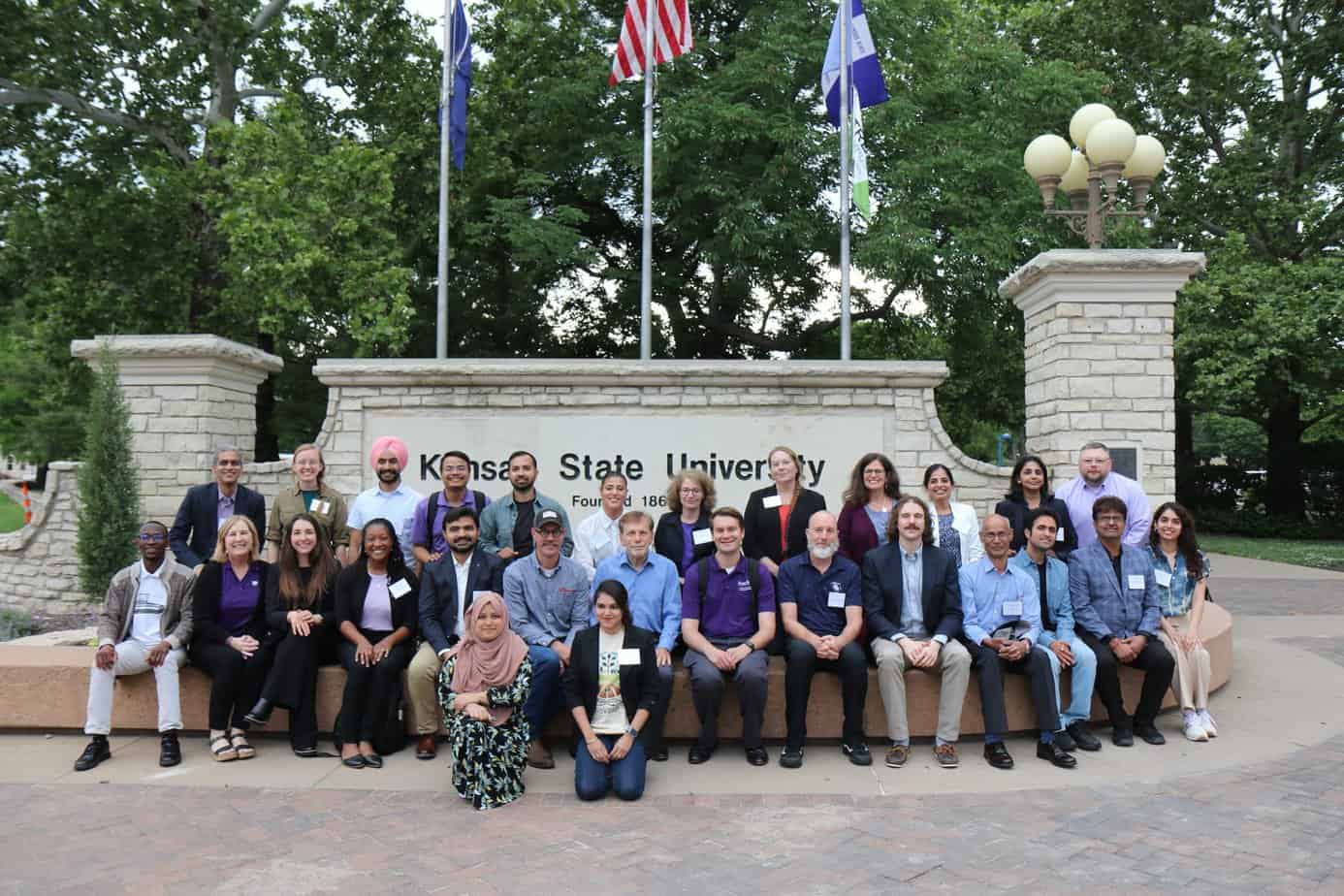
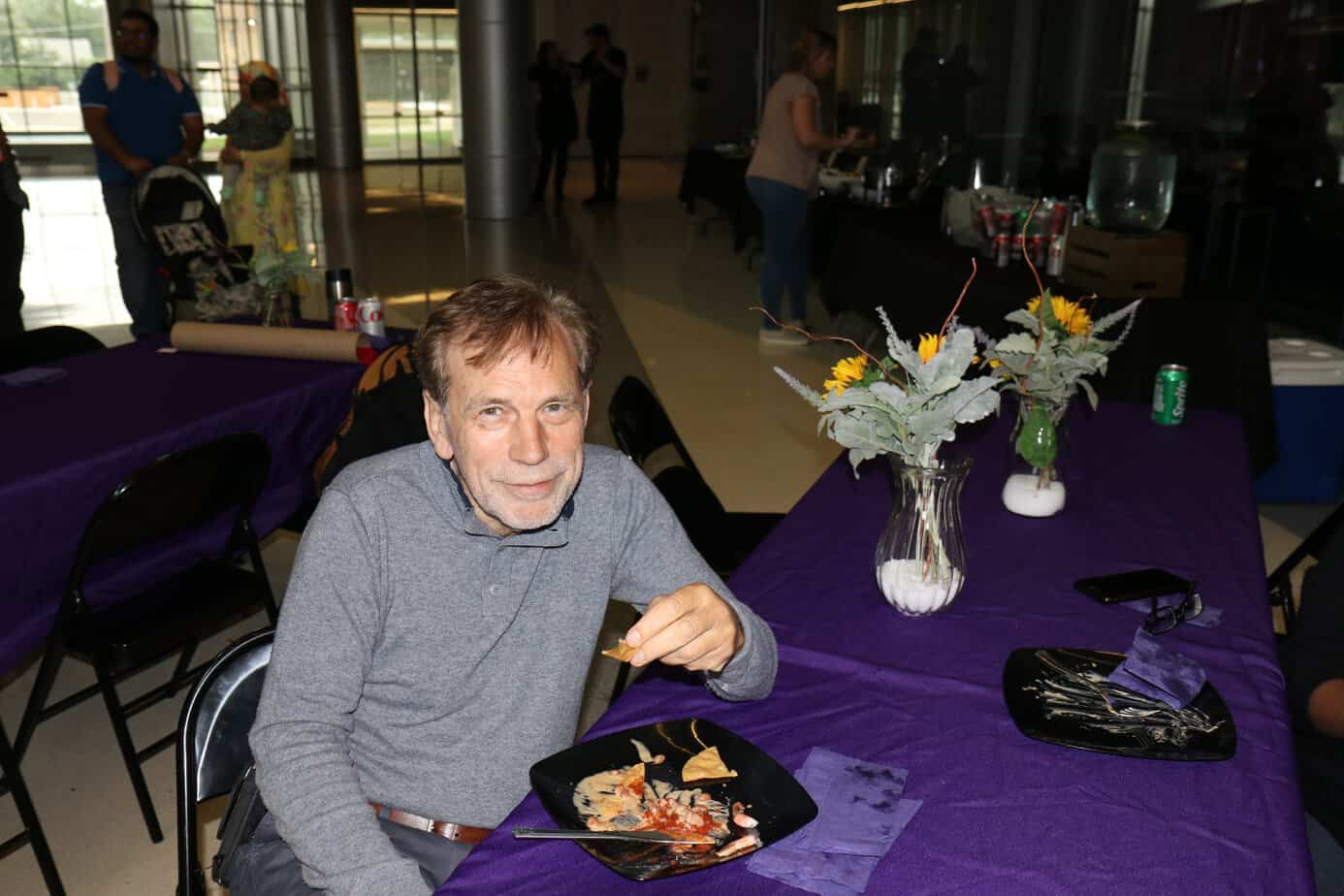
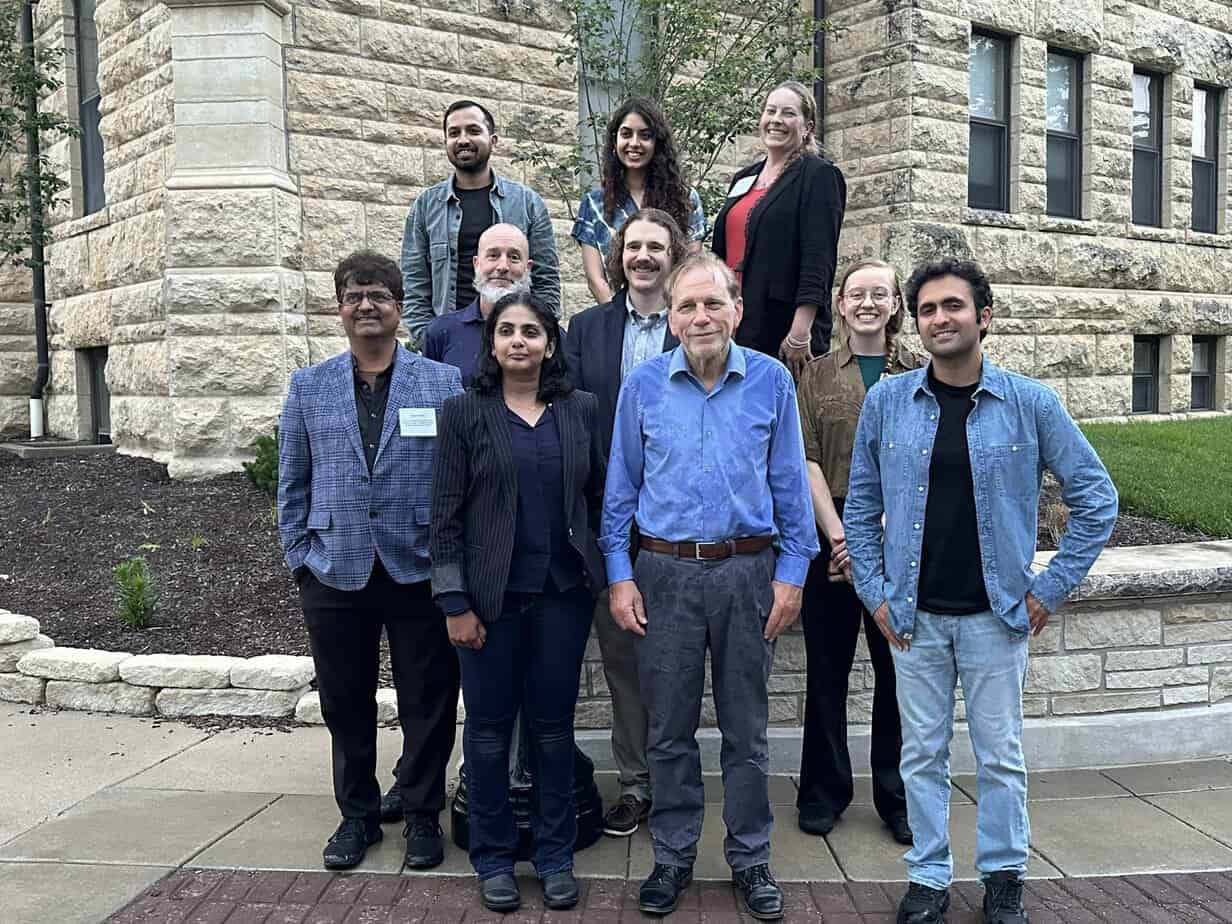
In May 2024, the BioWRAP team gathered in the vibrant college town of Manhattan, Kansas—home to Kansas State University—for its second Annual Meeting. The three-day event brought together a dynamic mix of researchers, students, faculty, and industry experts from Kansas State University (KSU), the University of Nebraska–Lincoln (UNL), and South Dakota State University (SDSM). Also in attendance were members of the BioWRAP External Advisory Board, lending valuable insight and guidance to the project’s future.
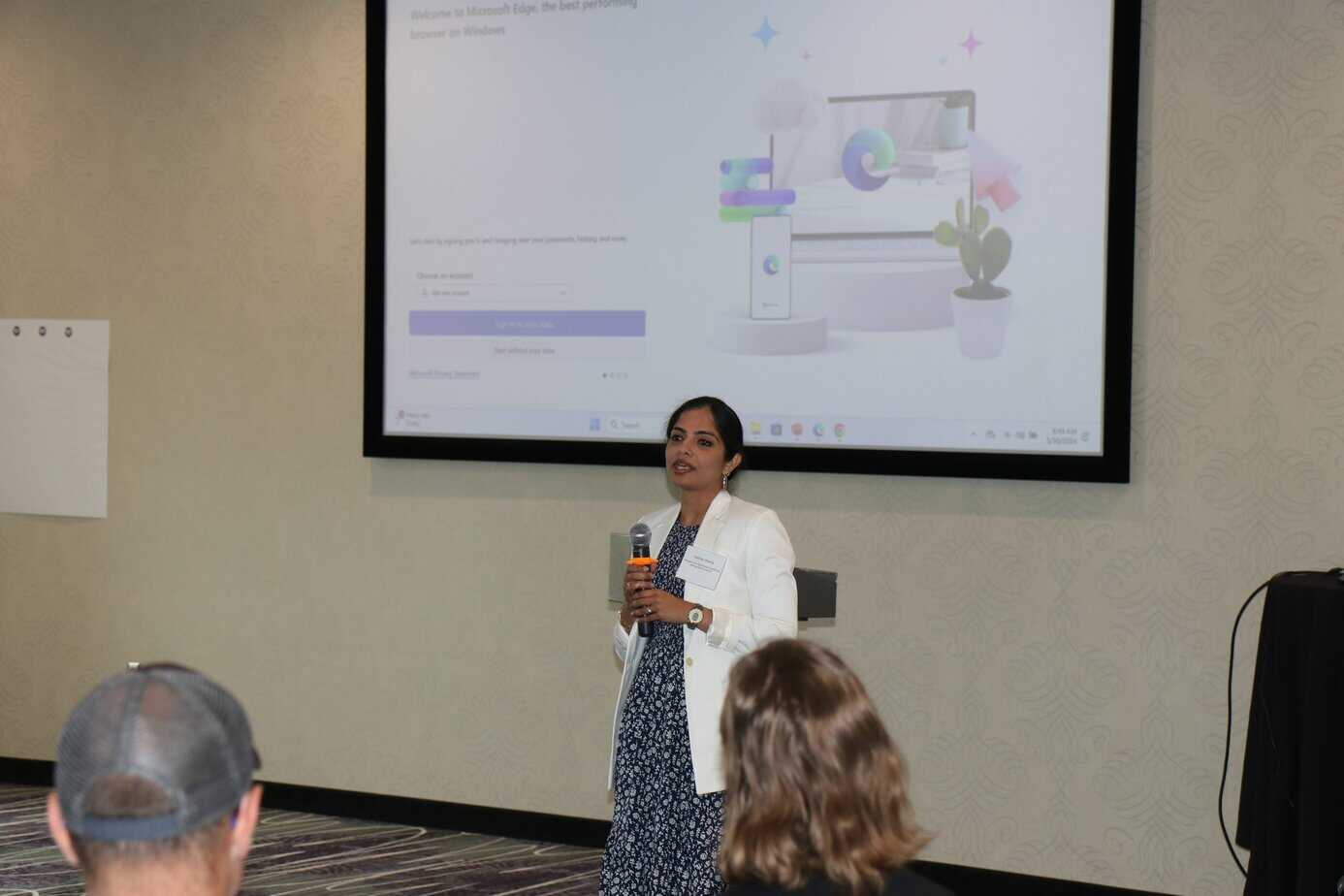
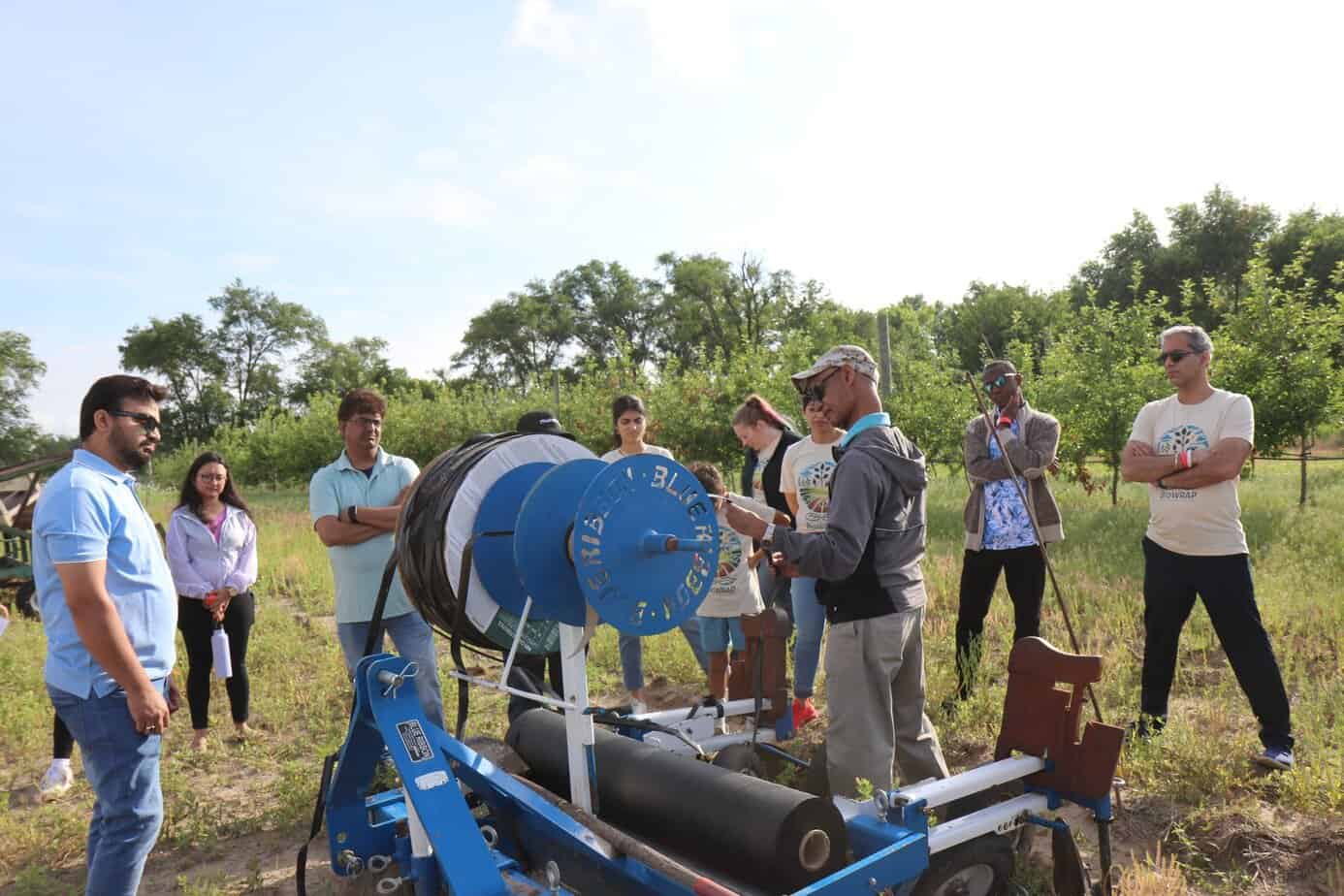
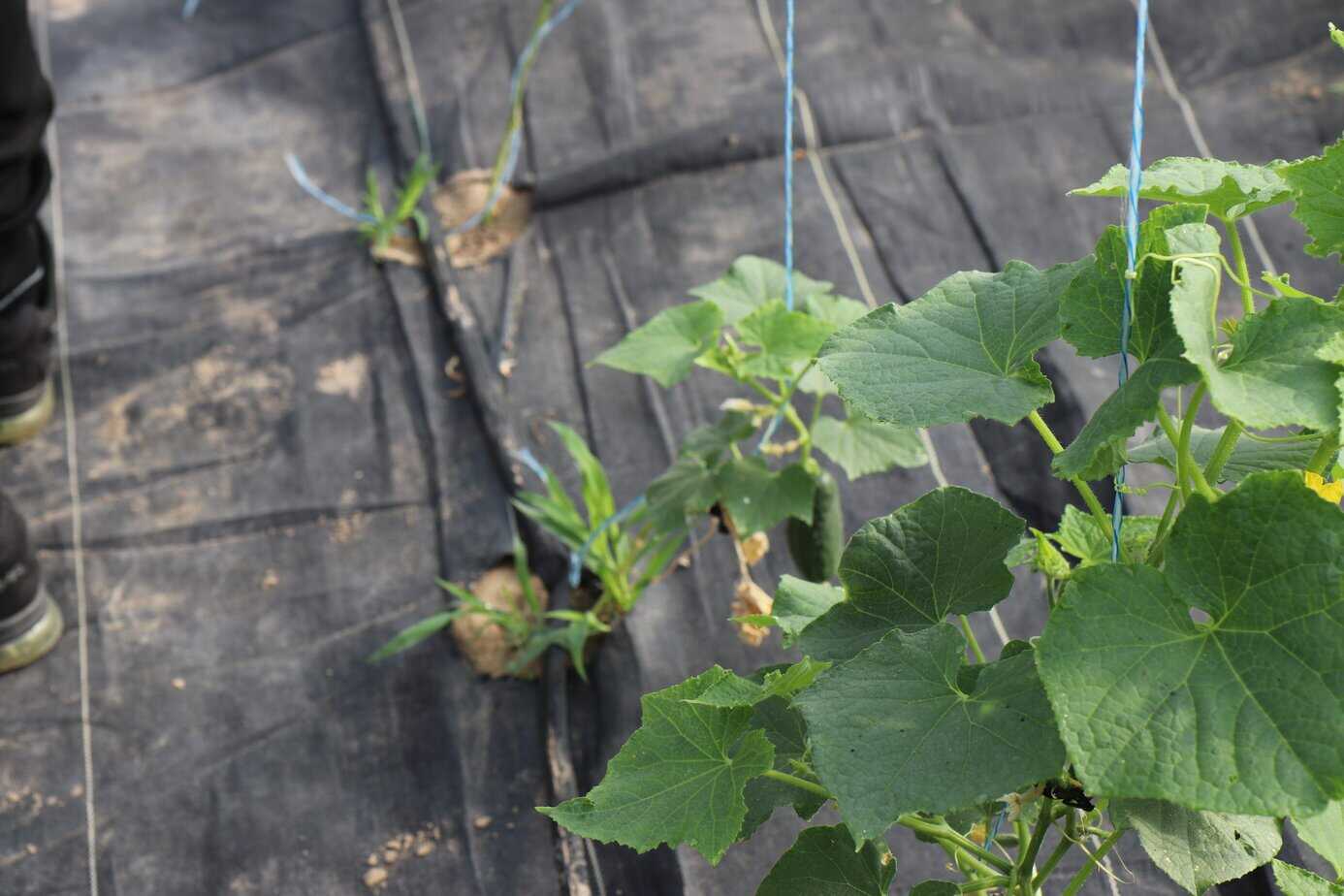
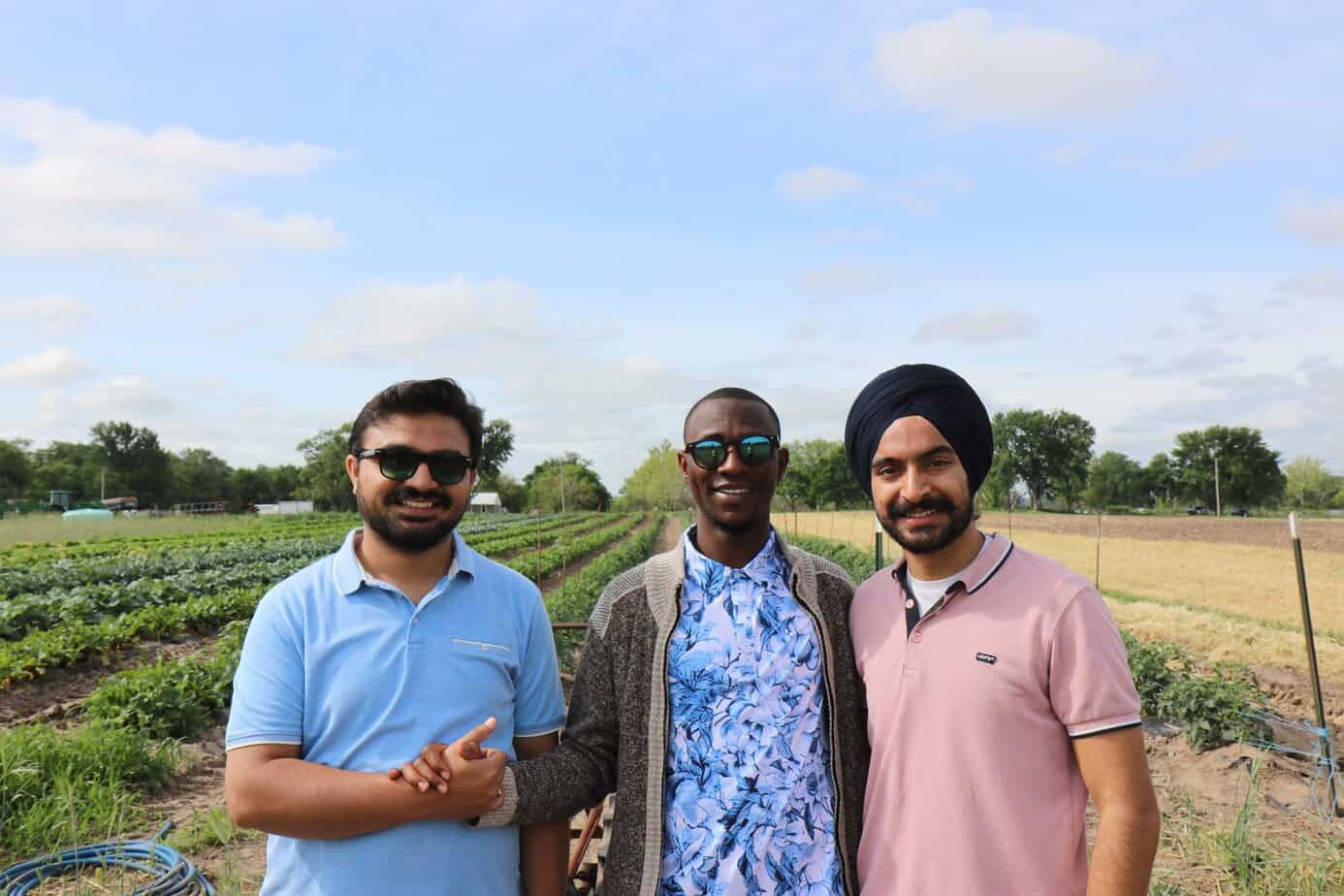
Held primarily at the Bluemont Hotel, the meeting wasn’t just about presentations and panels—it was a deep dive into the future of sustainable agriculture. A highlight of the event was a field trip to A&H Farms, a family-owned agri-tourism and production farm known for its use of plastic and cloth films for weed control and water conservation. For many students, it was their first up-close look at a working production farm—an eye-opening experience. They witnessed how conventional materials often remain behind in the soil and gained a new appreciation for the power of BioWRAP: a biodegradable film that not only suppresses weeds and conserves water but also breaks down to enrich the soil, potentially replacing herbicides and synthetic barriers.
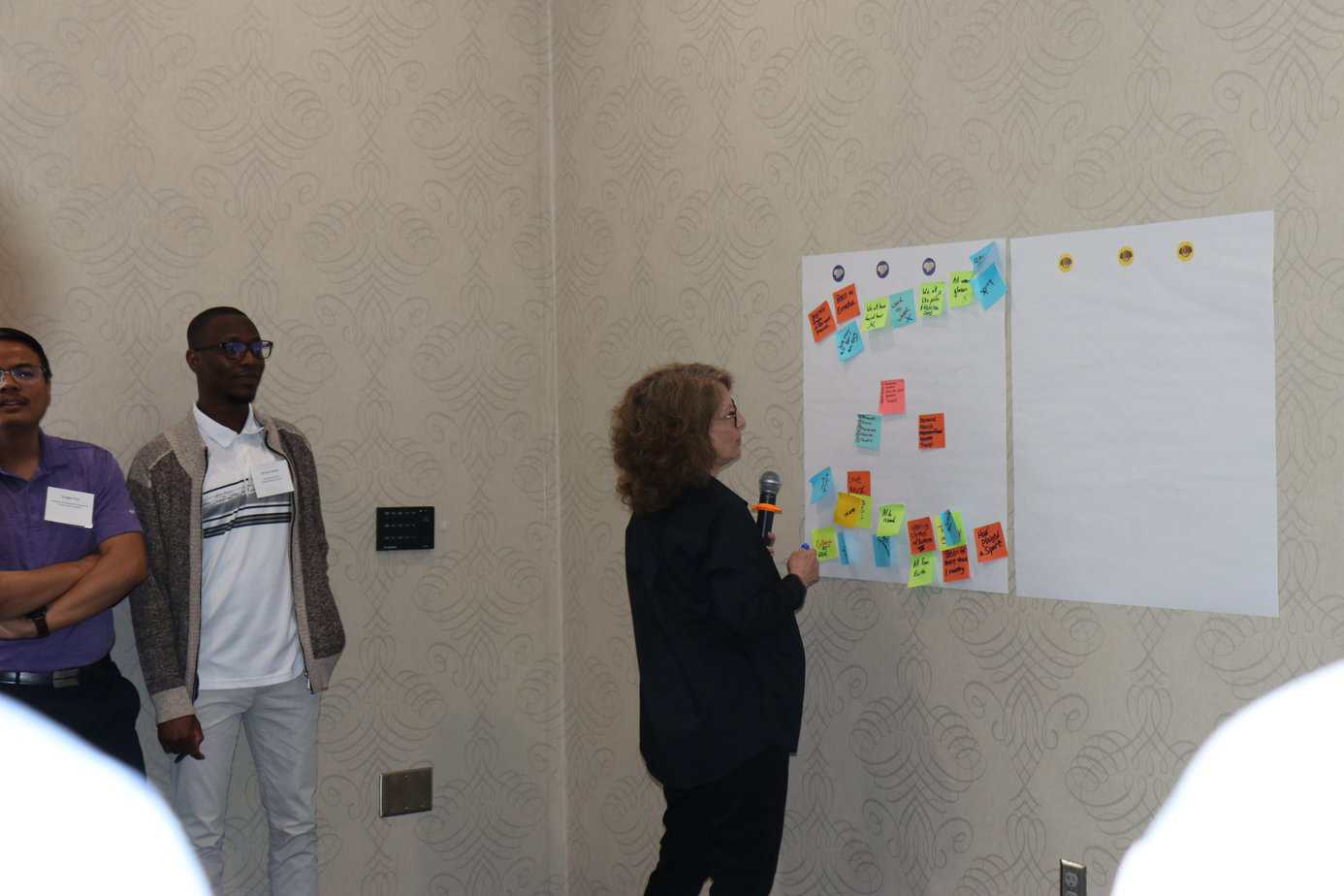
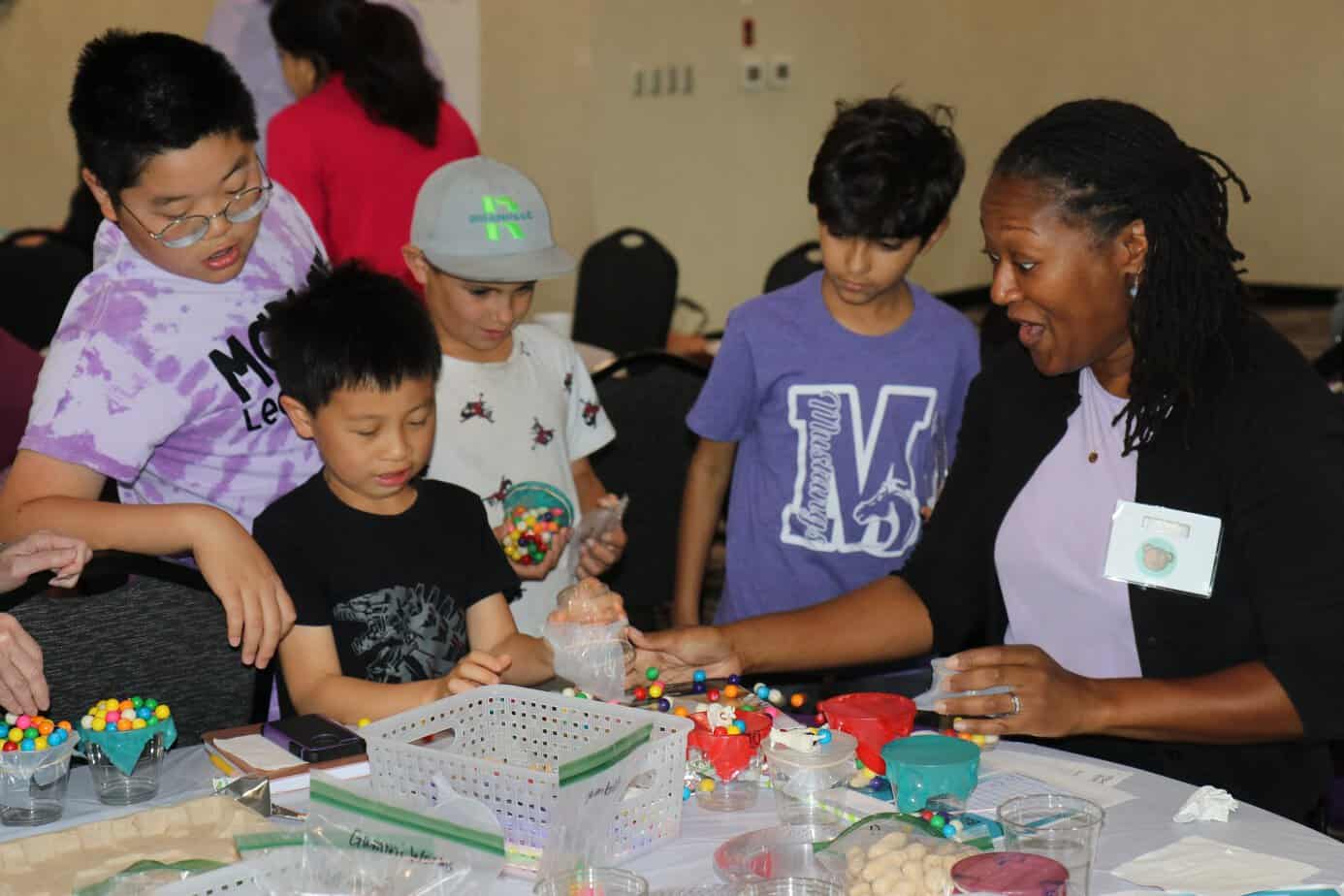
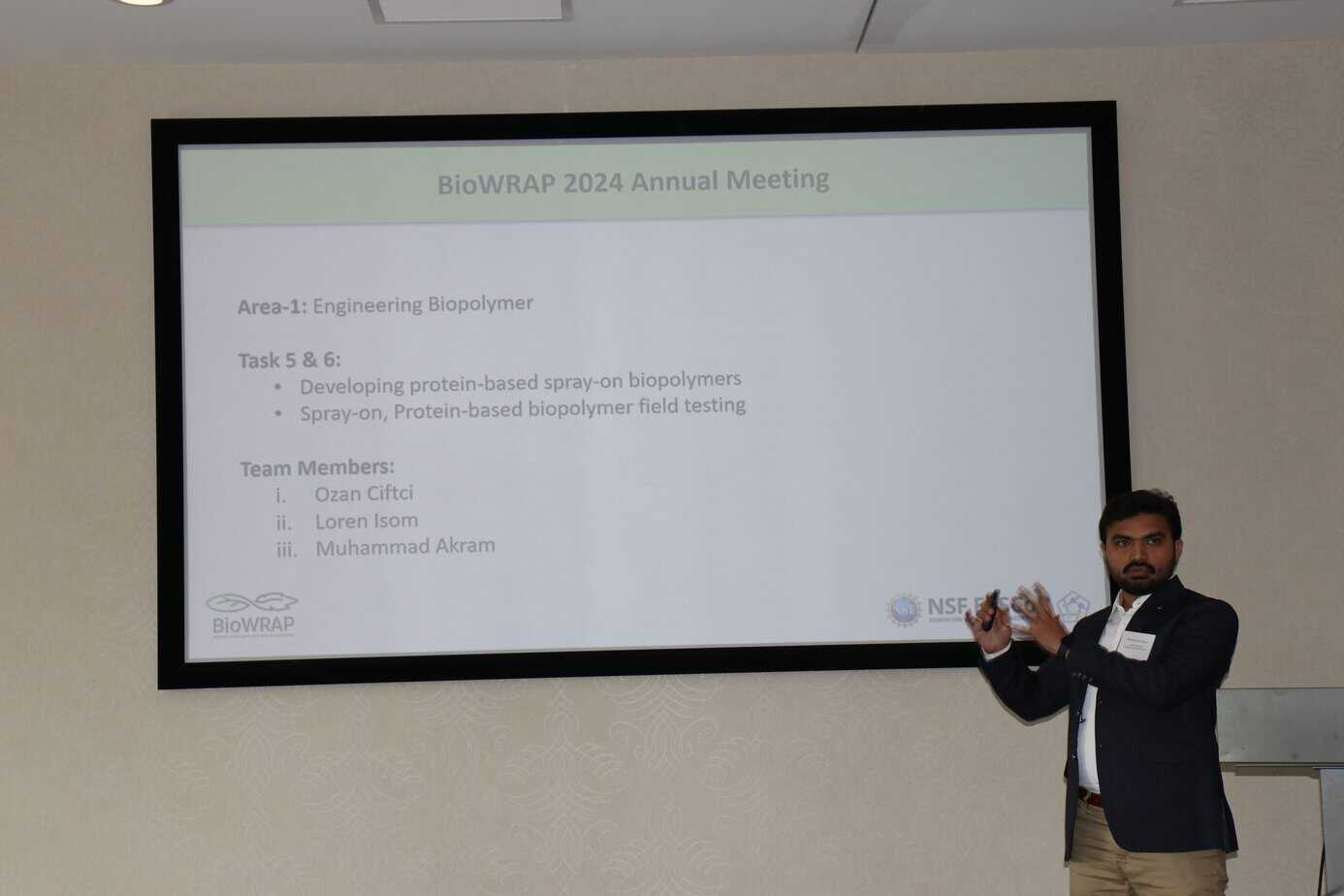
Throughout the meeting, attendees shared cutting-edge research and outreach efforts, including initiatives designed to engage K–12 students in agricultural science. Workshops were carefully curated to build both technical and interpersonal skills. One standout session was the CliftonStrengths Workshop, which helped team members understand their individual strengths and how to leverage them for more effective collaboration.
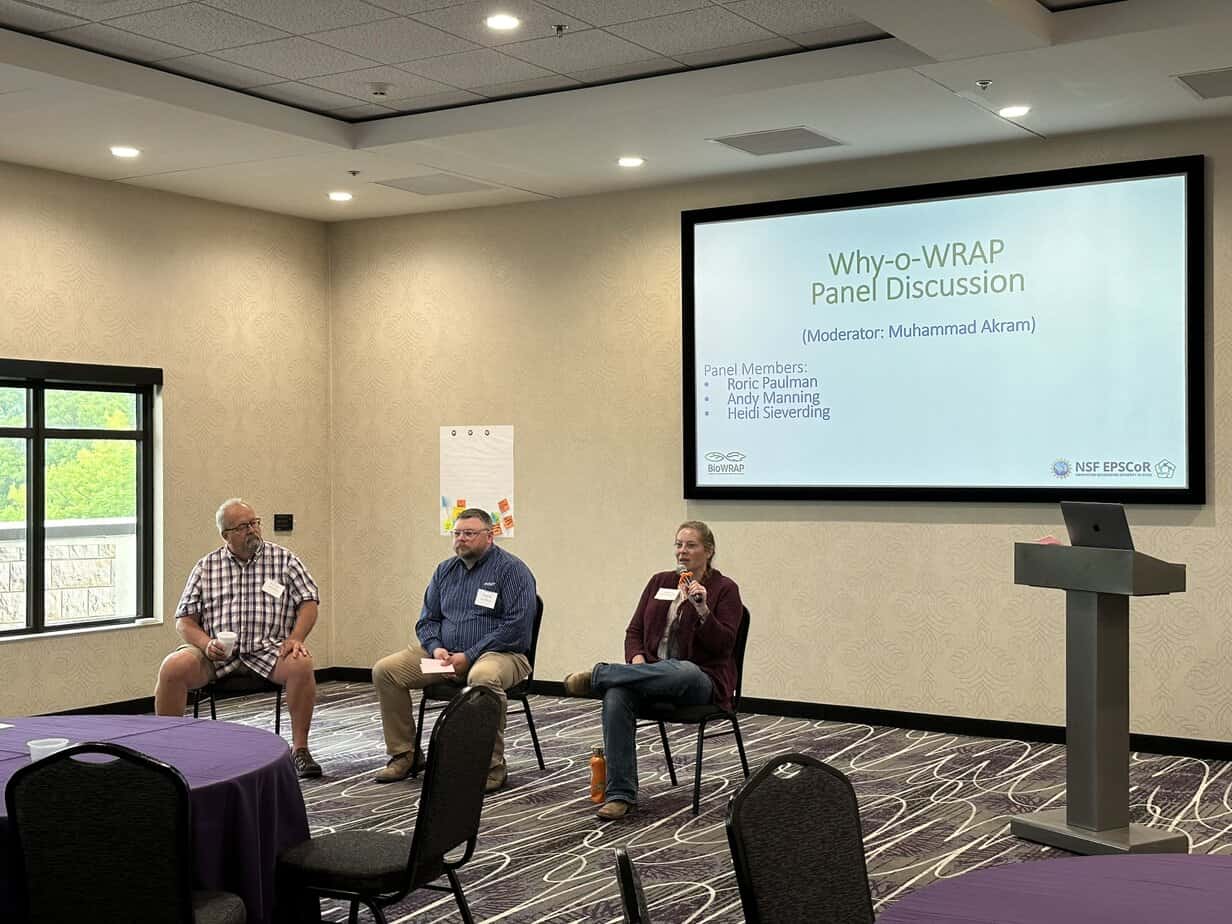
The event included a presentation from KSU’s Office of Educational Innovation and Evaluation, the team responsible for tracking BioWRAP’s impact through ongoing surveys and data analysis. Day two began with an energizing panel discussion titled “Why-O-WRAP”, where panelists explored the significance of the project and its potential to revolutionize production agriculture by offering a sustainable, biodegradable solution for weed control.
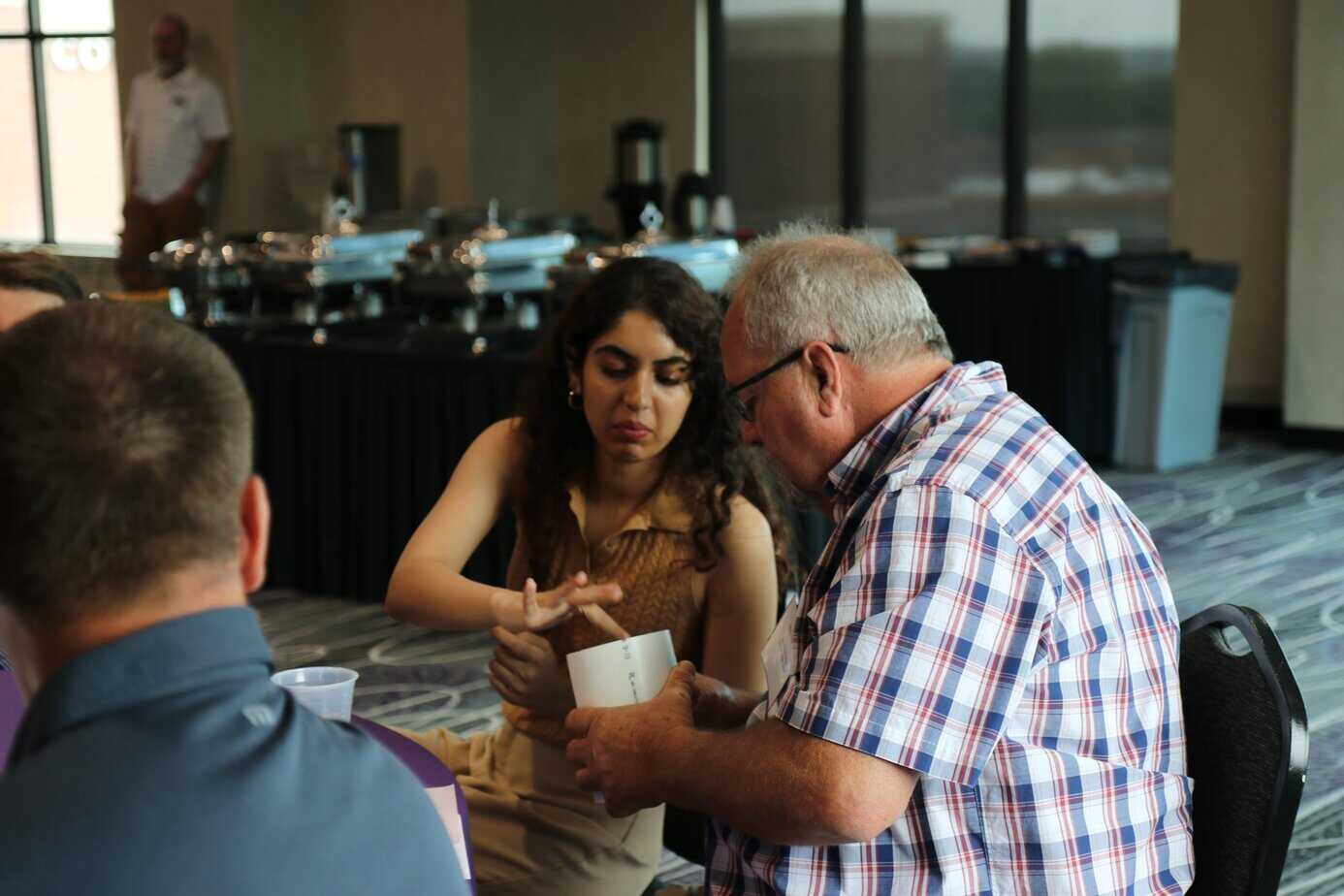
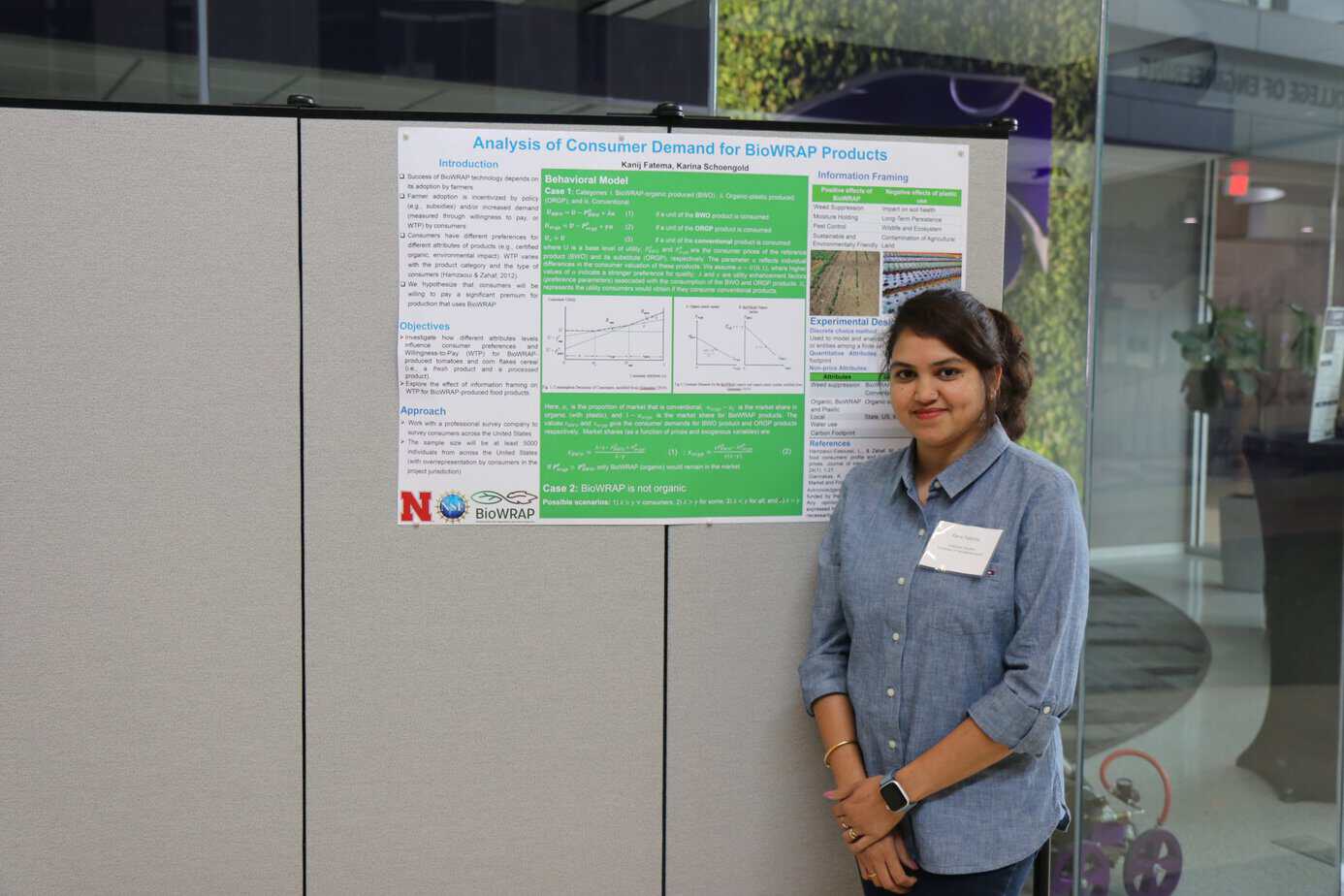
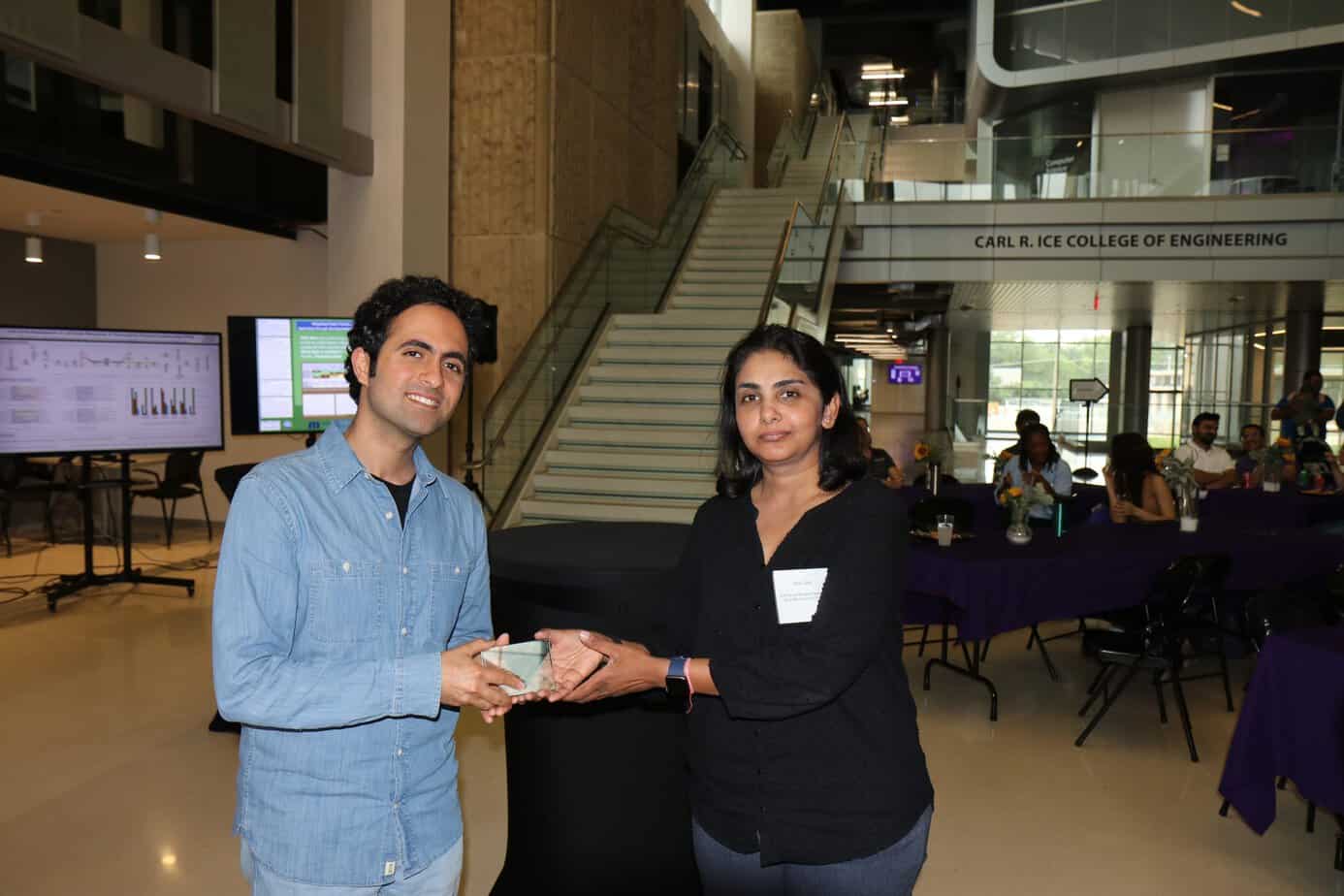
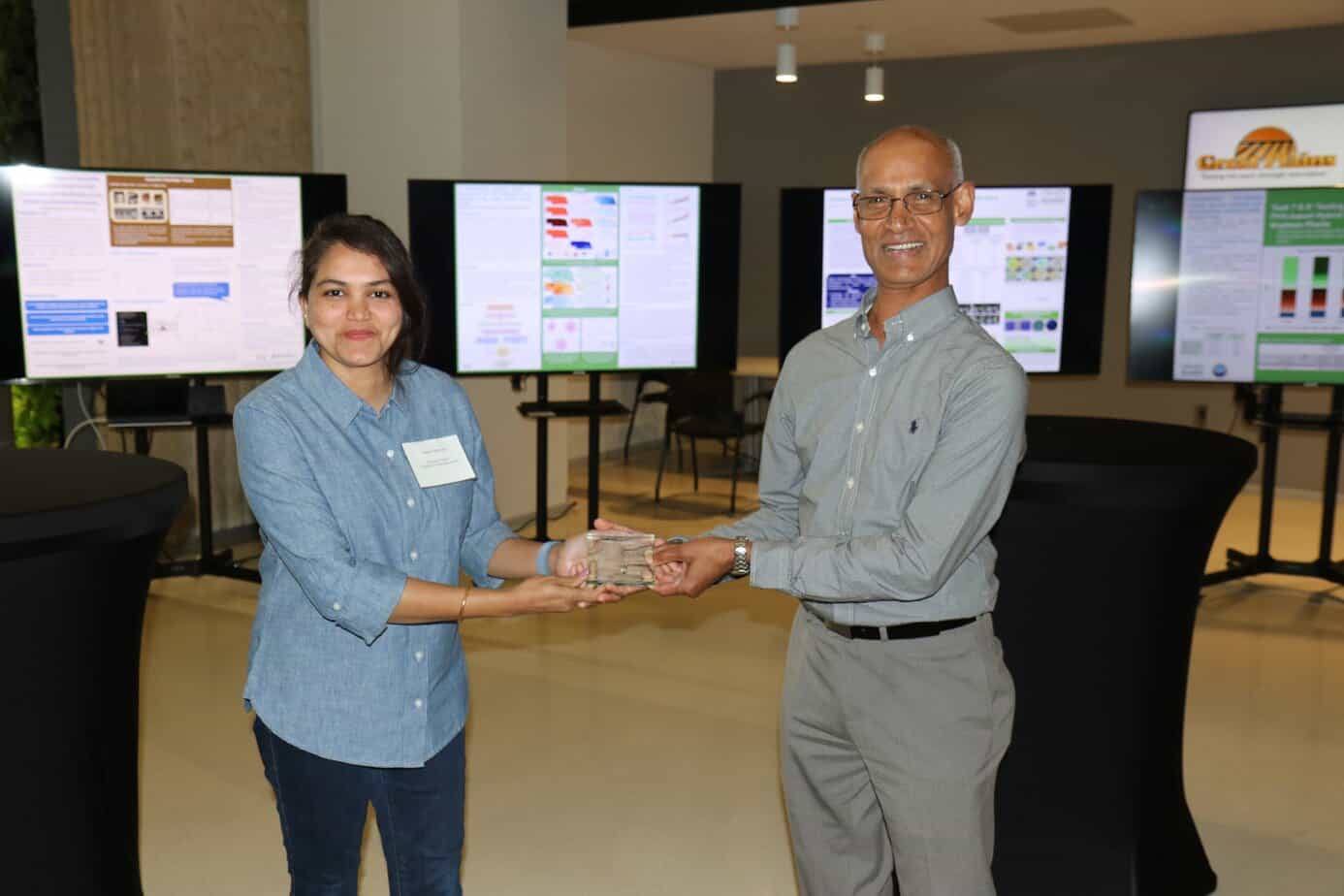
Student involvement was a central focus, with several opportunities for them to shine. A high-energy poster networking session featured four-minute lightning talks, giving students the chance to showcase their work before engaging in deeper discussions during longer-format presentations.
In all, the 2nd Annual BioWRAP Meeting was more than a research update—it was a celebration of collaboration, innovation, and the promise of a more sustainable agricultural future.