Meetings
BioWRAP Annual Meetings
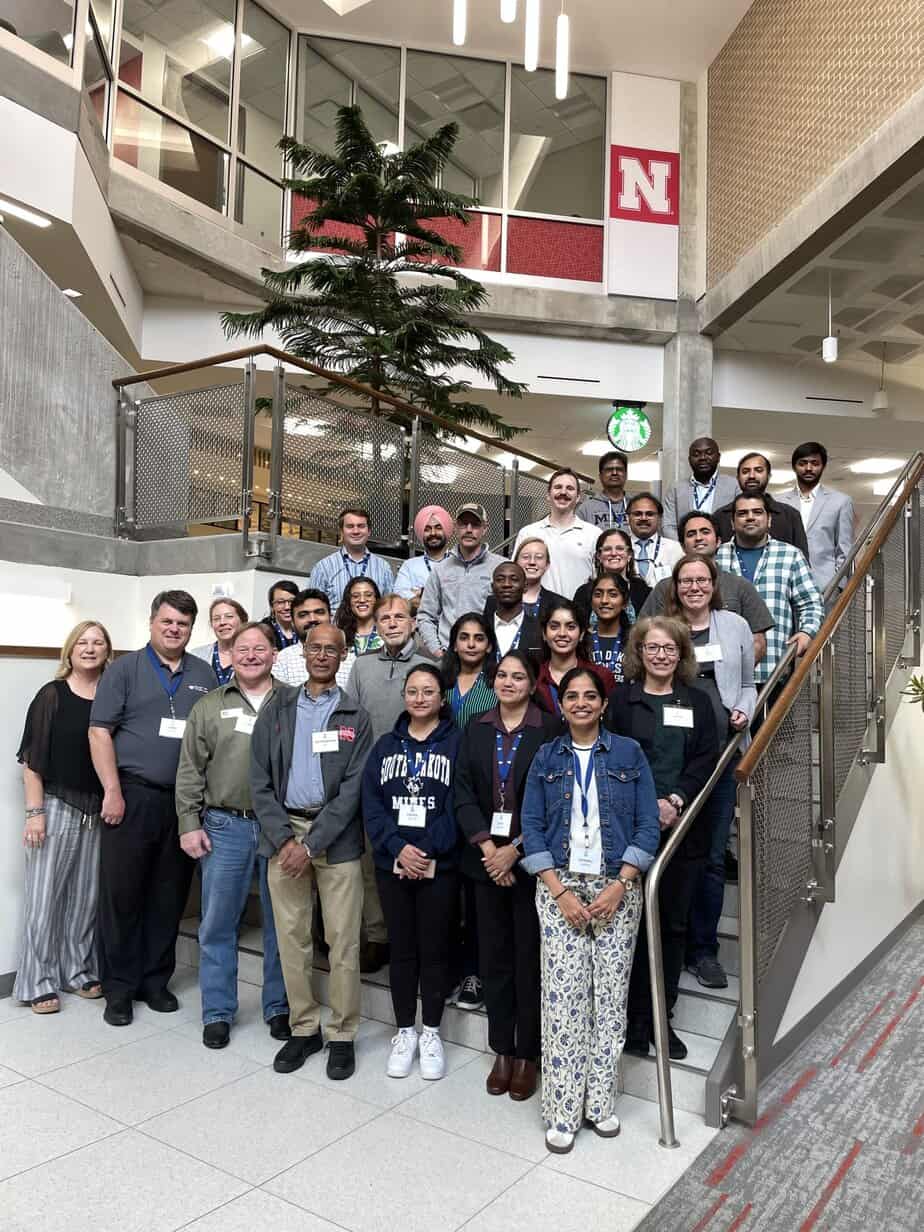
BioWRAP 2025 Annual Meeting
2025 Annual Meeting in Lincoln, Nebraska Collaboration for a Sustainable…
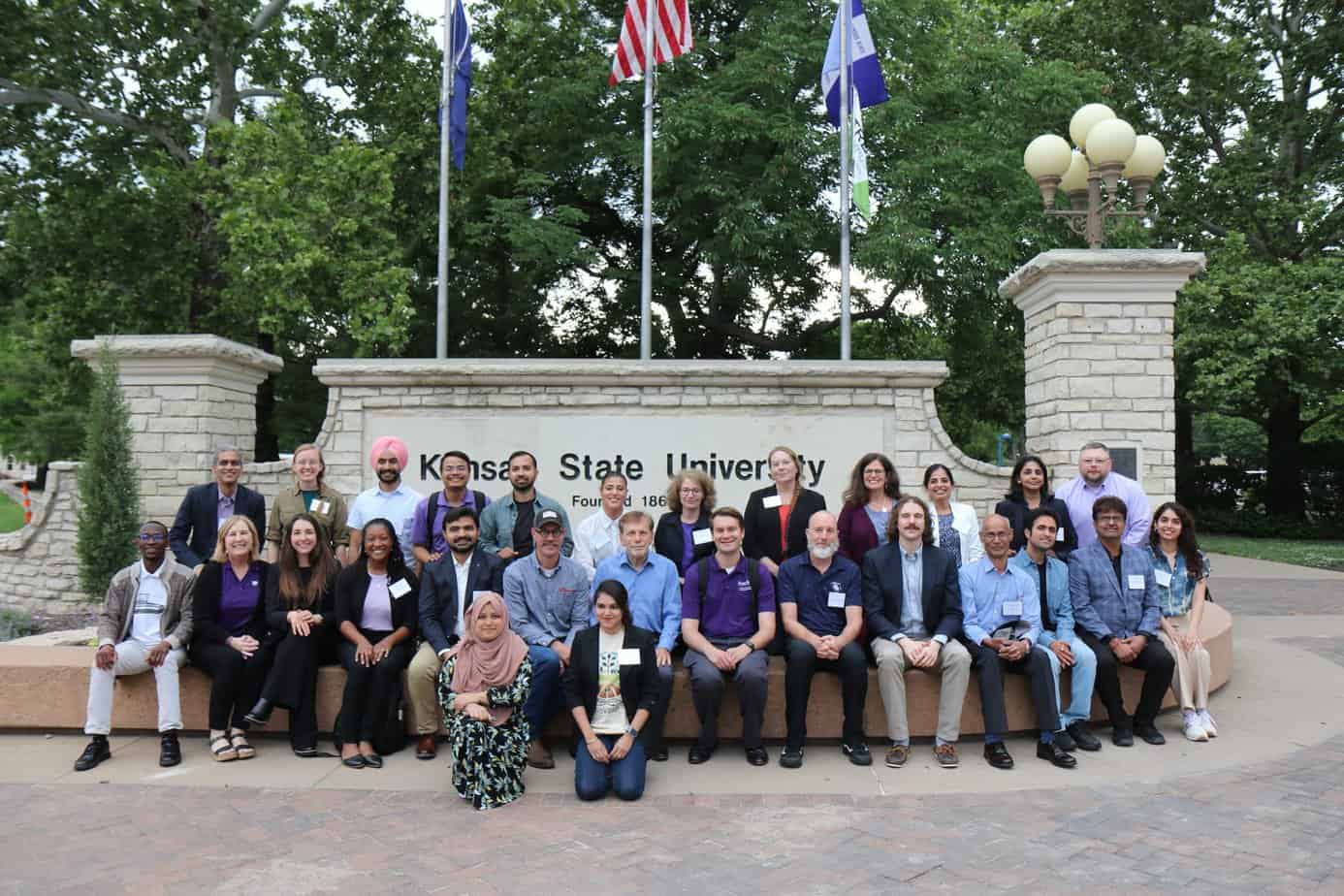
BioWRAP 2024 Annual Meeting
2024 Annual Meeting in Manhattan, Kansas Innovation Meets the Heartland…

BioWRAP 2023 Annual Meeting
2023 Annual Meeting in Rapid City, South Dakota The 2023…

BioWRAP 2022 Kick-Off Meeting
2022 Kick-Off Meeting in Lincoln, Nebraska The BioWRAP Kick-Off Meeting…
BioWRAP Research
The main goal of this proposal is to develop spray-on biopolymer-based films that can be locally produced and used to support sustainable crop production within EPSCoR regions. These advanced biomaterials can be synchronized to crop growth cycles and address crop production water and weed management challenges, thereby reducing the use of herbicides, synthetic fertilizer, plastics and associated environmental impacts in agricultural production.
FAQs
Frequently Asked Questions
We understand there are many questions you may have in regards to BioWRAP. Here are some answers to some frequently asked questions that we receive.
The long-term goal is to create a locally-sourced, customizable, spray-on biopolymer-based films to serve as soil cover that can be synchronized to crop growth cycles under differing climatic conditions and applied using precision agricultural equipment. The system would also support socioeconomic resiliency, positive bioeconomic cycles, biotechnology adoption, sustainable crop production, and soil health in EPSCoR states.
Transforming biopolymers into a local material will equitably distribute the costs and benefits of biotechnology adoption by crop producers and support rural workforce development. Creating a protective, but permeable spray-on biopolymer cover will provide physical weed suppression, enable crop producers to reduce herbicide use, protect soil ecosystem diversity, effectively manage field edges, help conserve natural resources, buffer waterways from agrochemical runoff, enhance land productivity, and increase crop production resiliency.
We hypothesize that adoption of BioWRAP technology will vary by region and producer characteristics, climate conditions, soil type, and underlying preferences will lead to differential adoption across regions and cropping systems. Our team plans to assess the potential market for BioWRAP using structured group discussions in locations where producers and purchasers/retailers to gain the most accurate assessment of the market potential of biodegradable biofilm technology.
Initial testing will include corn and soybeans. Application of the product may include autonomous spray platforms as well as field scale commercial sprayers.
